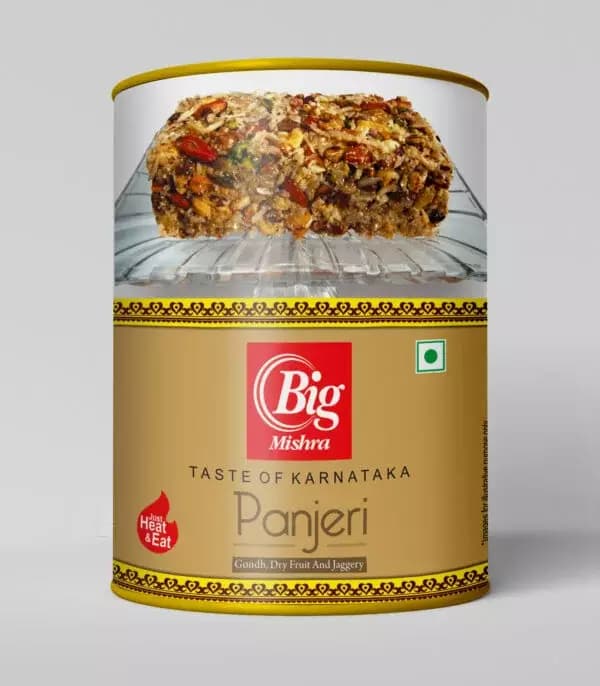
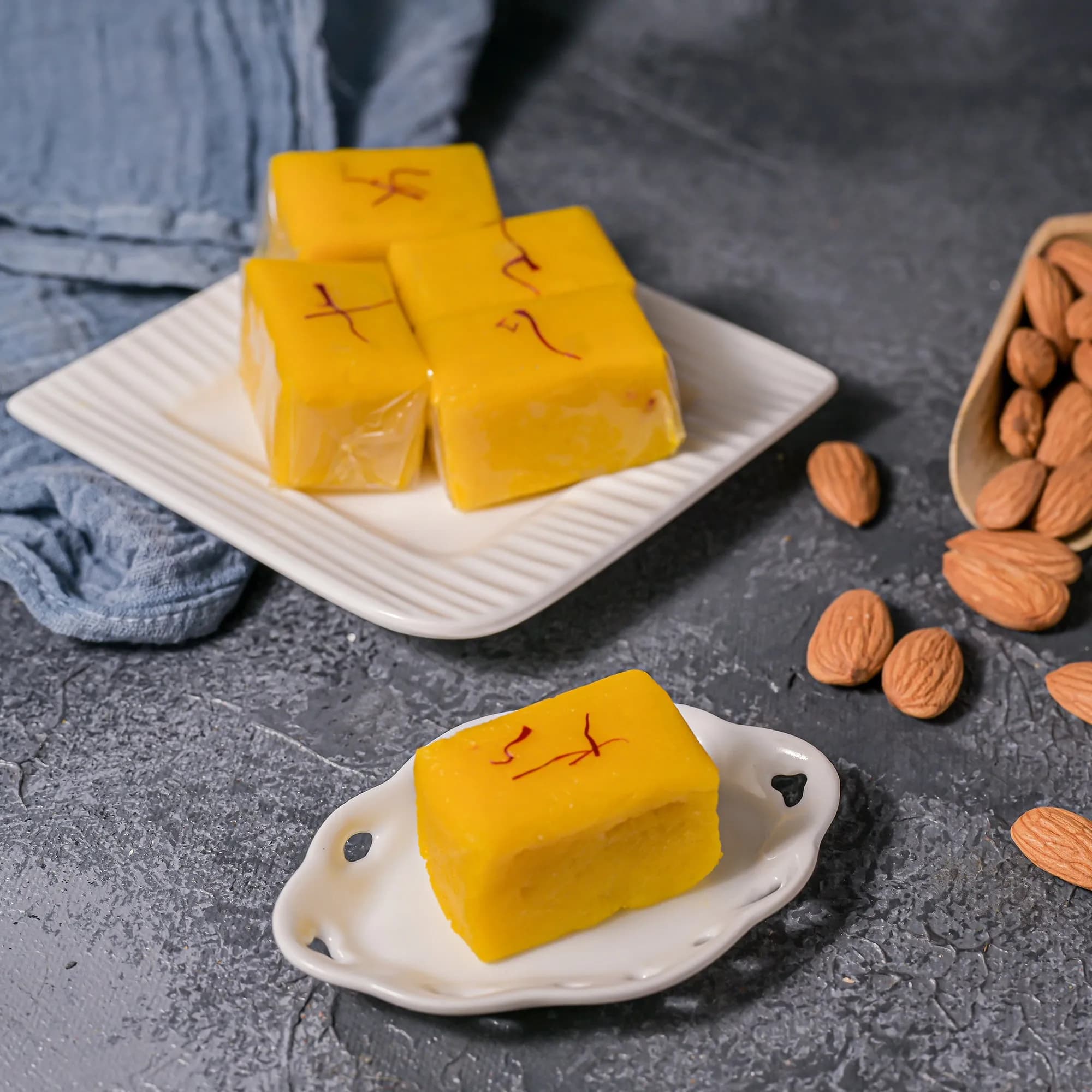
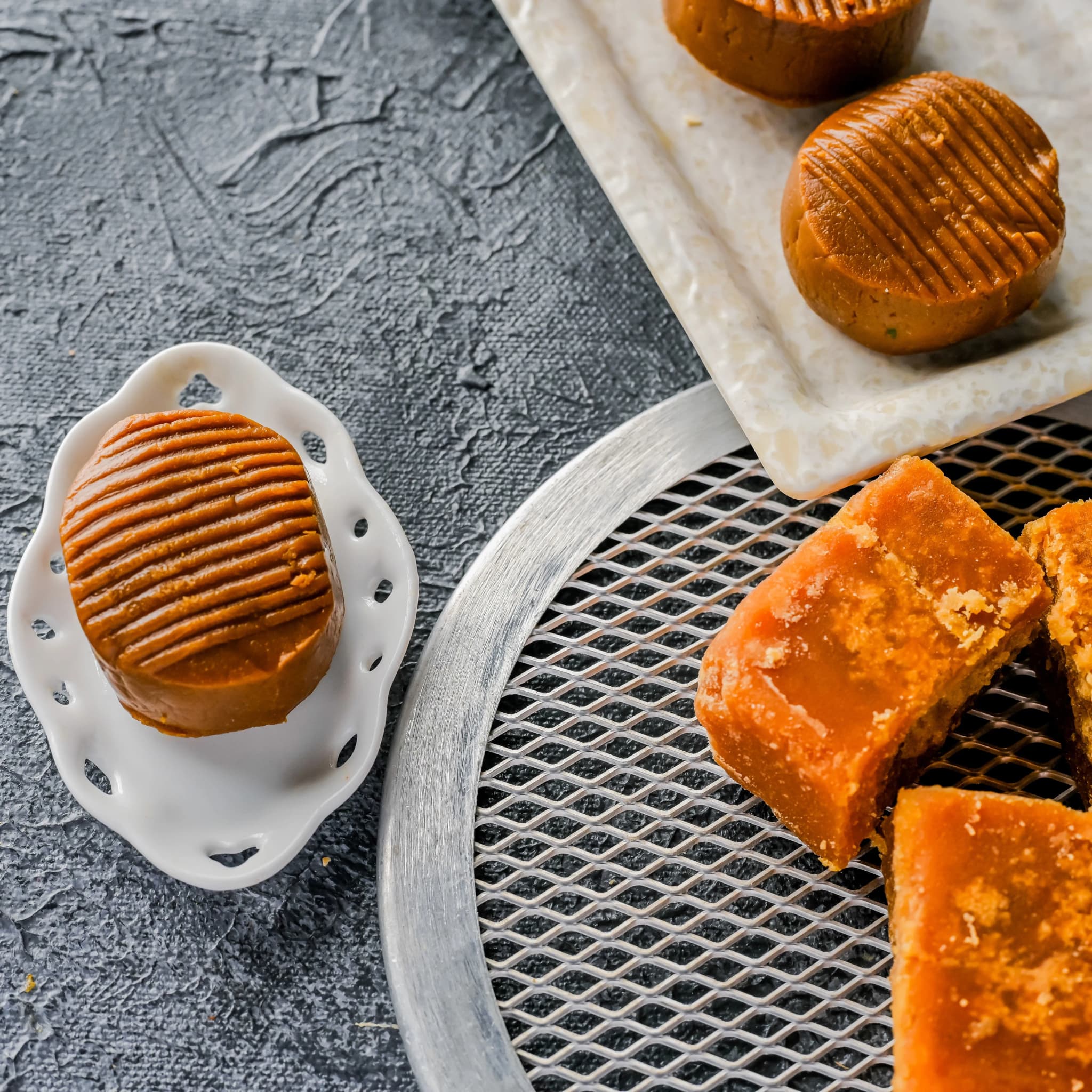
Traditional Indian sweets are made from ingredients that have nutritional value beyond sugar. Besan laddus are dense with gram flour and ghee - a legitimate source of protein and healthy fats. Sesame laddus are packed with calcium and iron. Dry fruit rolls made from anjeer, almonds, and dates carry fibre and natural sugar with no refined additives. Chikki, made from jaggery and peanuts or sesame, is one of the most energy-dense natural snacks in Indian food culture.
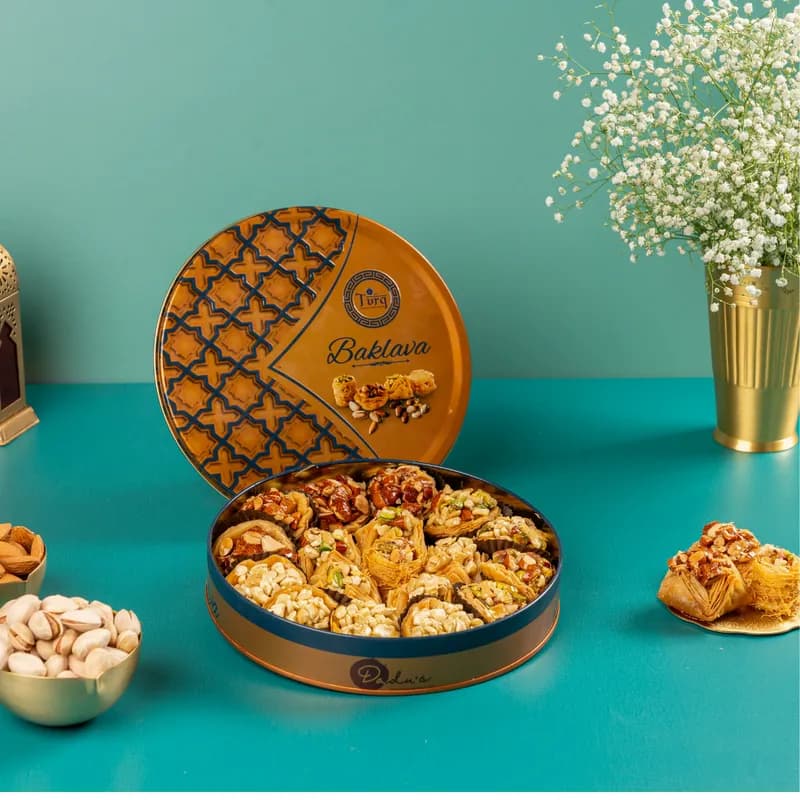
The shift toward sugar-free and diabetic-friendly mithai is also real. Brands like Diabexy now make kaju katli and laddus using stevia and low-glycaemic sweeteners - same texture, same taste profile, significantly lower sugar load. Dry fruit-based sweets from brands like Dadus and Vellanki Foods skip refined sugar entirely, using dates, figs, and nuts as the base.
For those looking for organic options, several brands on our platform use certified organic dairy, unrefined jaggery, and cold-pressed ghee in their sweet preparations.
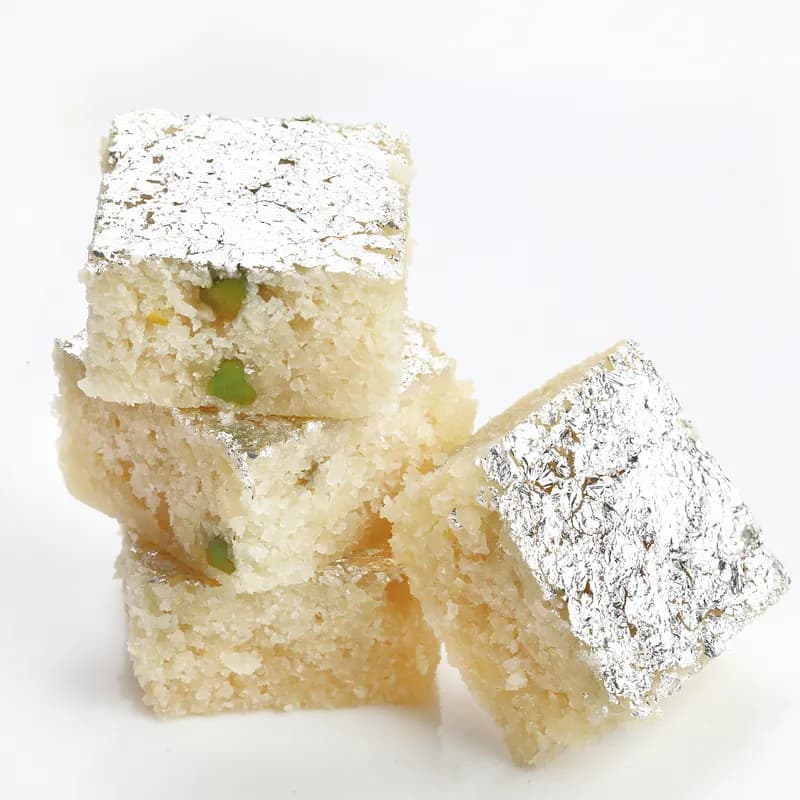
Storage tip: Most Indian sweets are shelf-stable for 2 to 4 weeks at room temperature in a cool, dry place. Dairy-heavy mithai like kalakand and peda should be refrigerated and consumed within a week of opening.