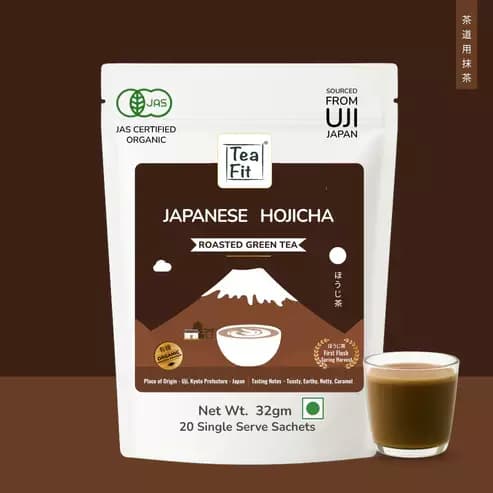
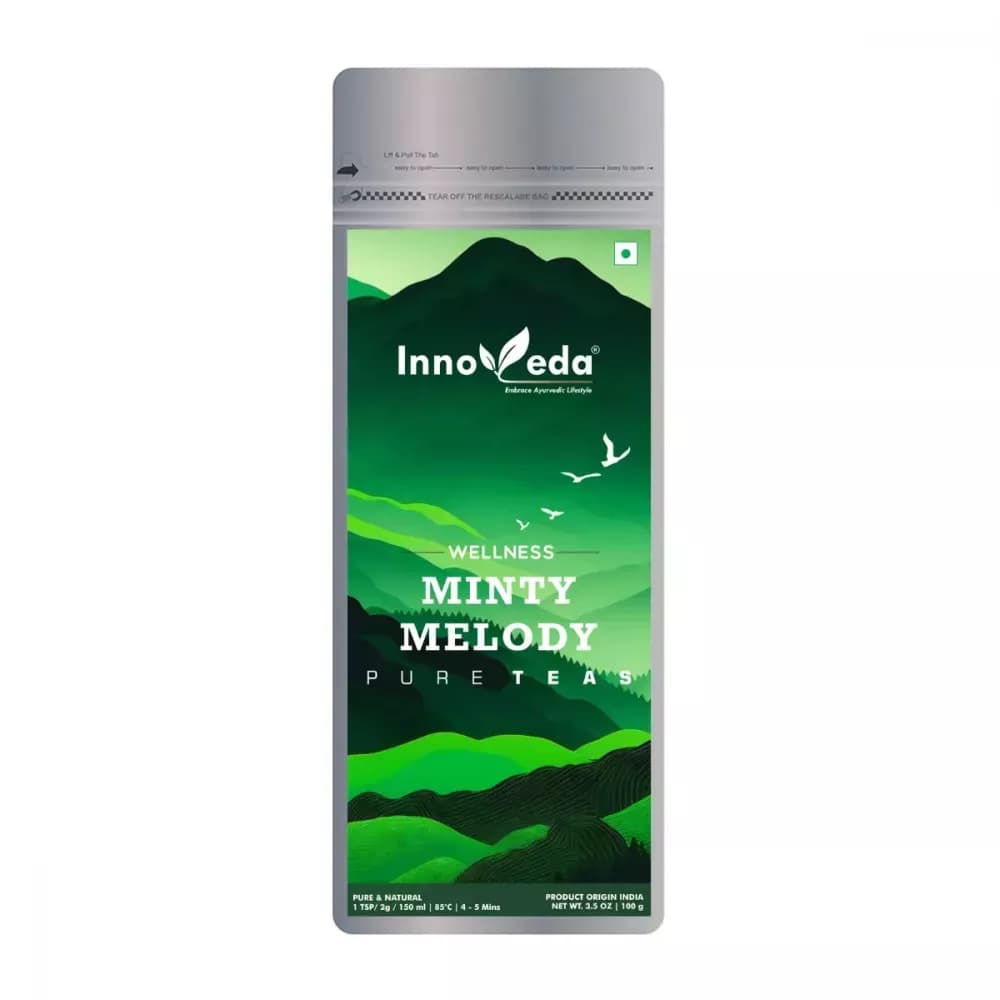
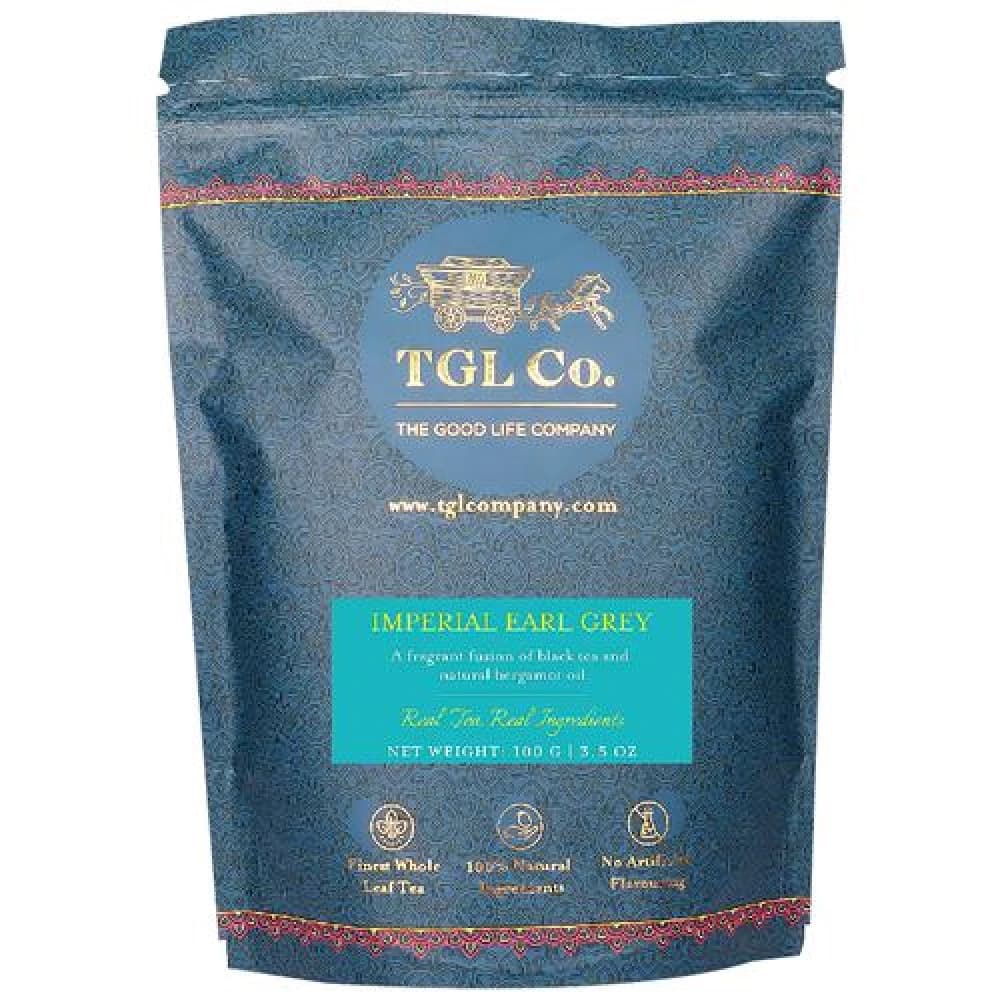
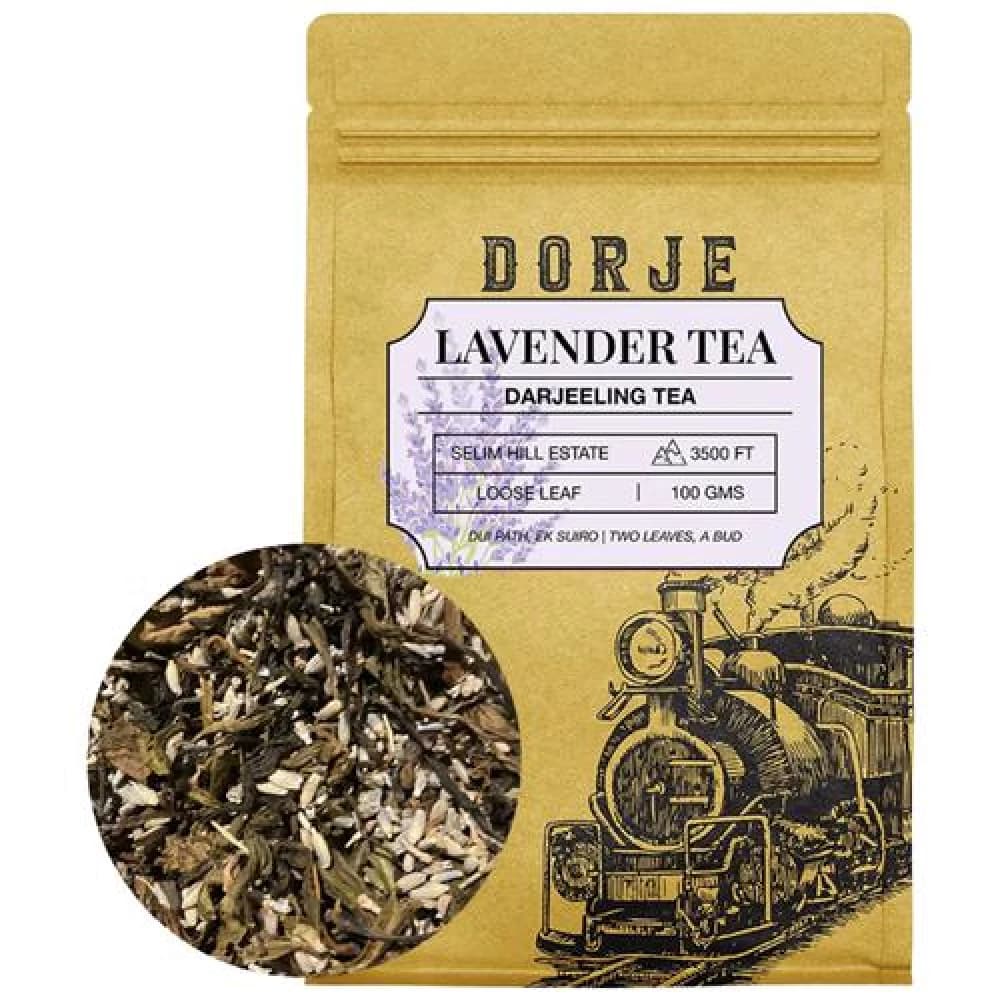
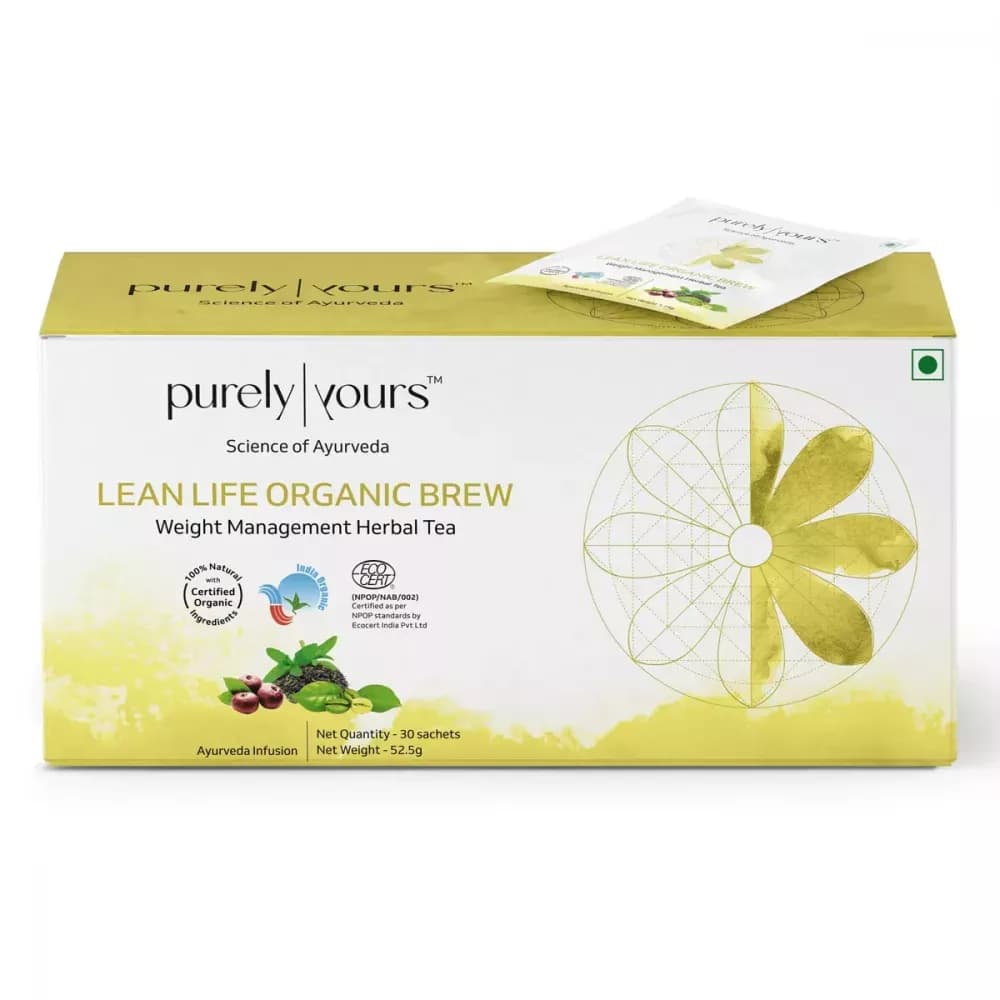
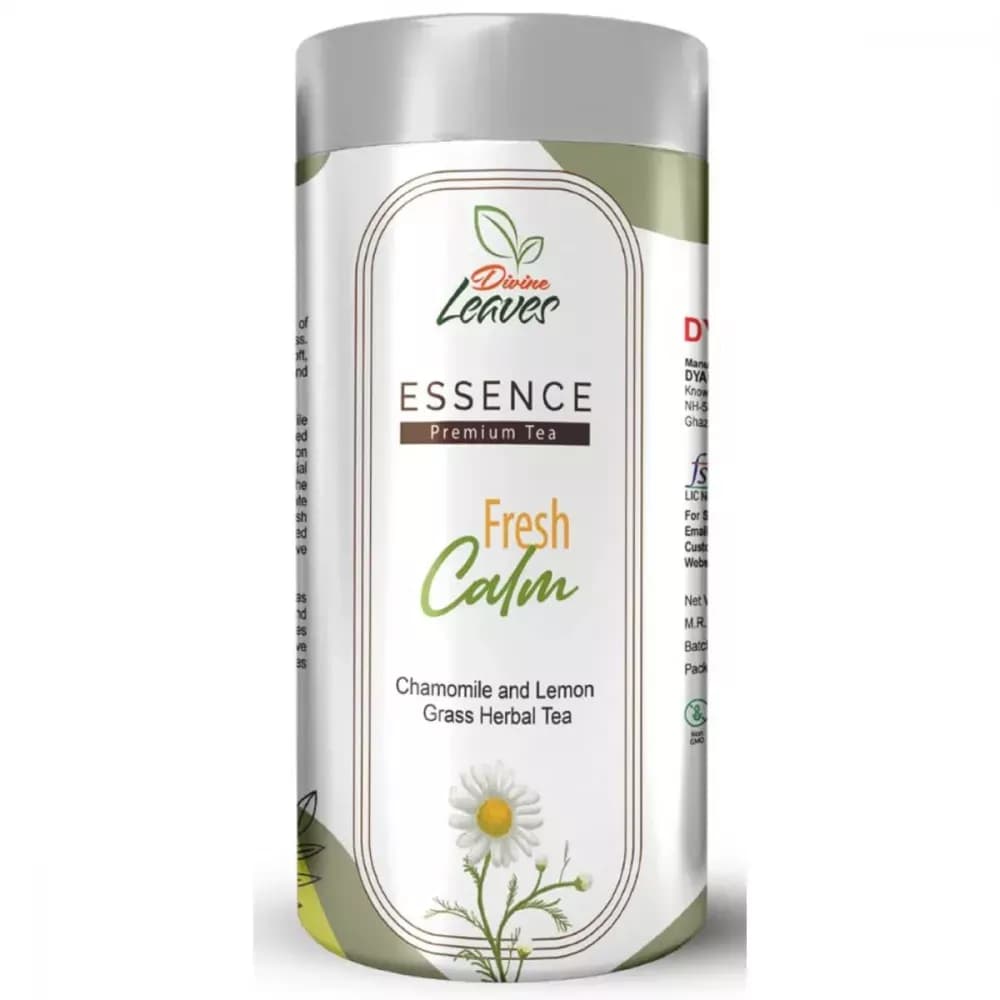
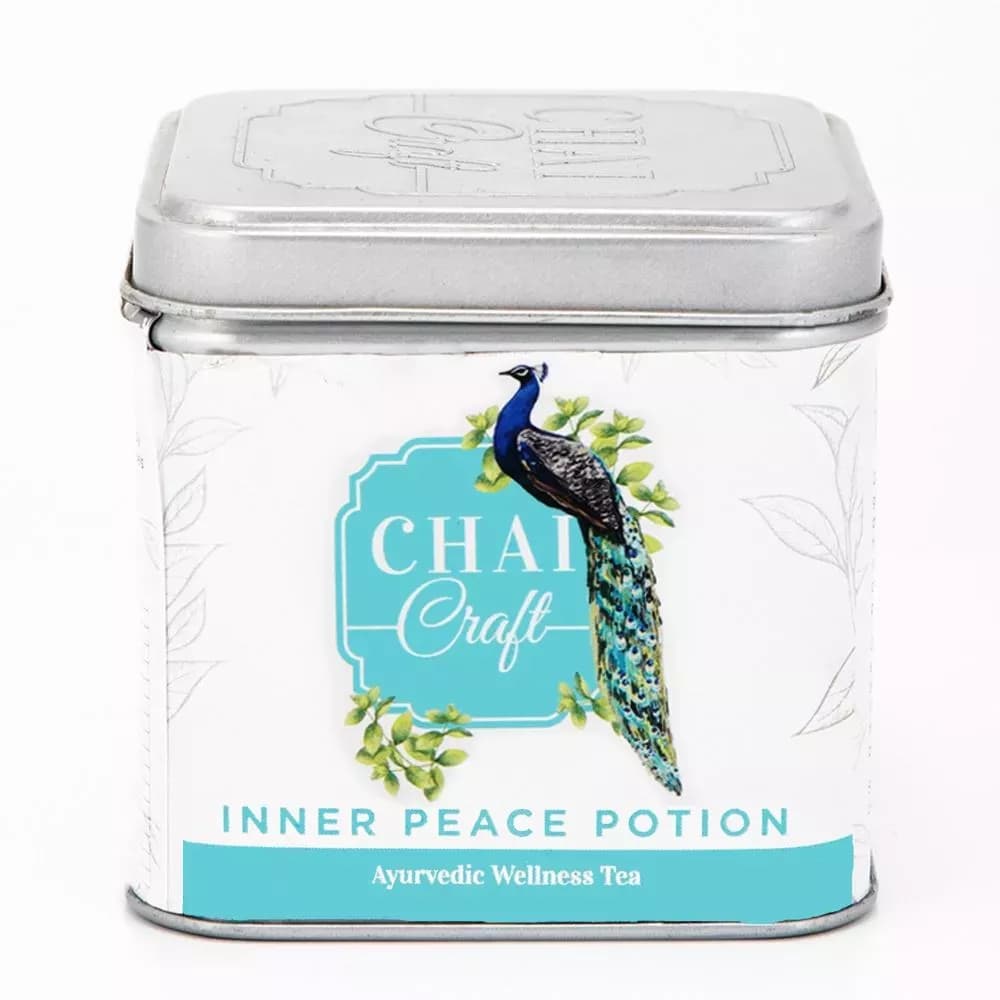
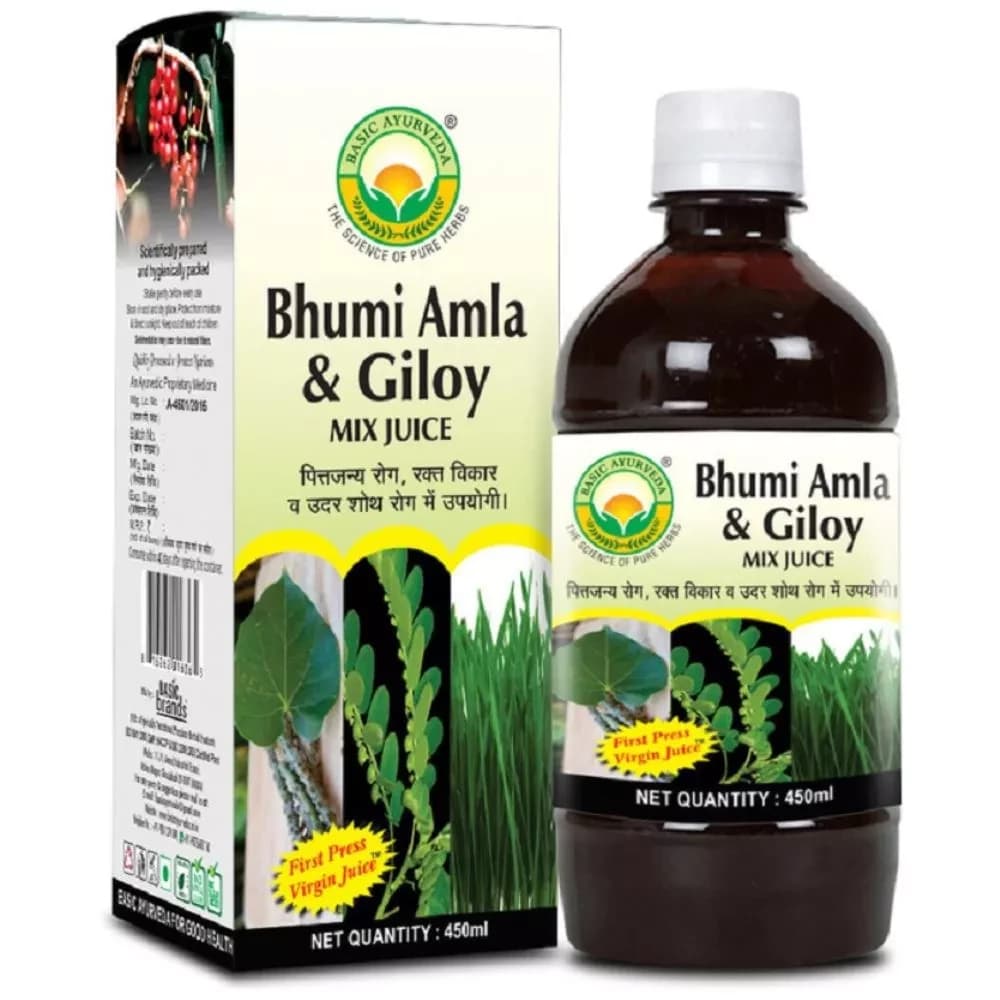
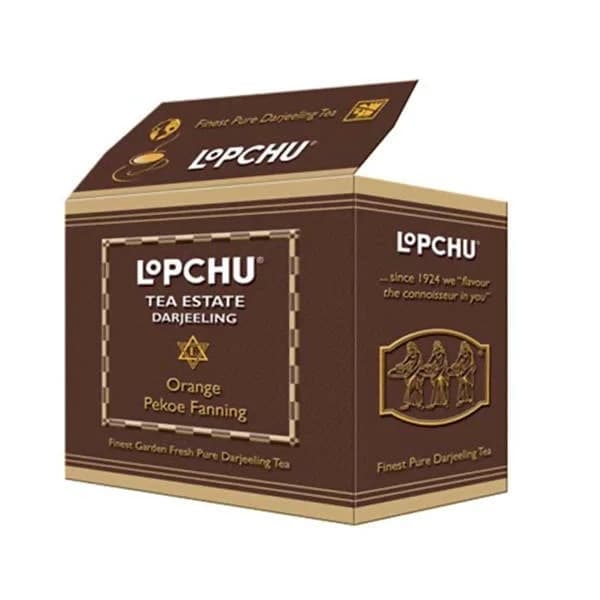
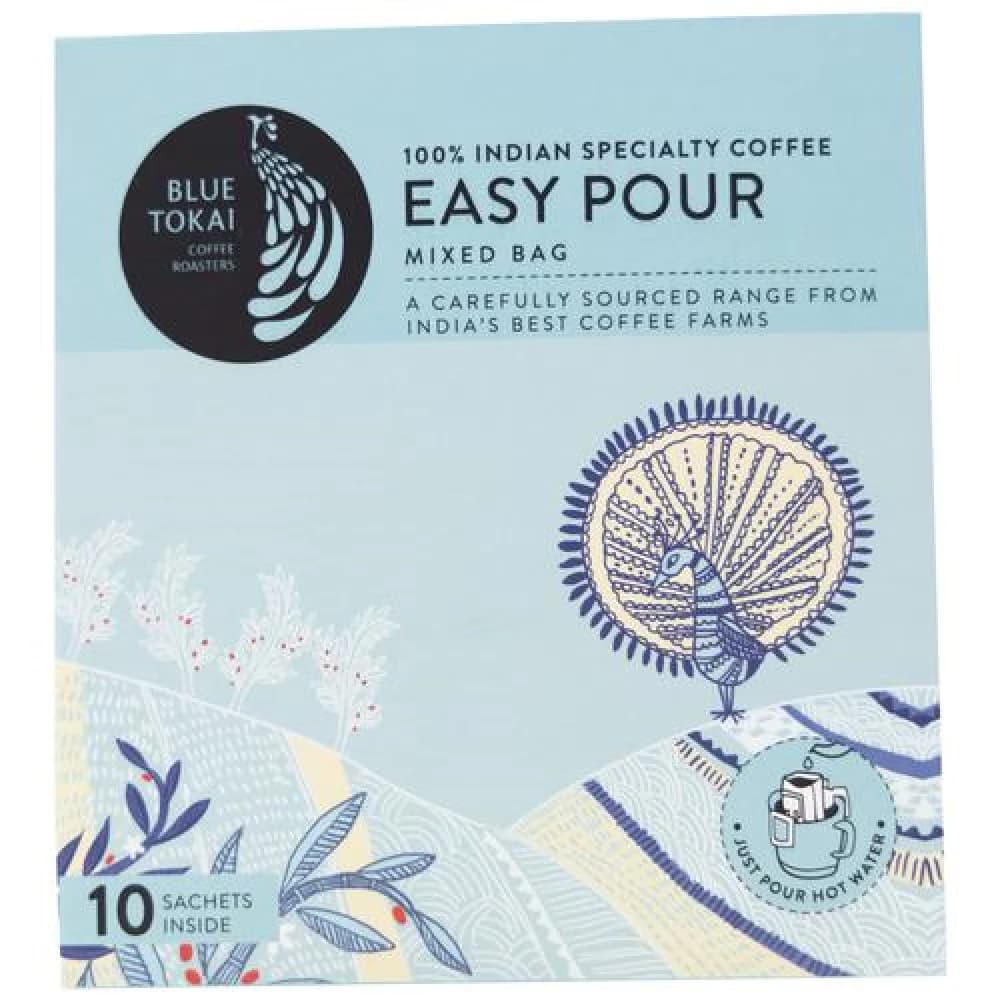
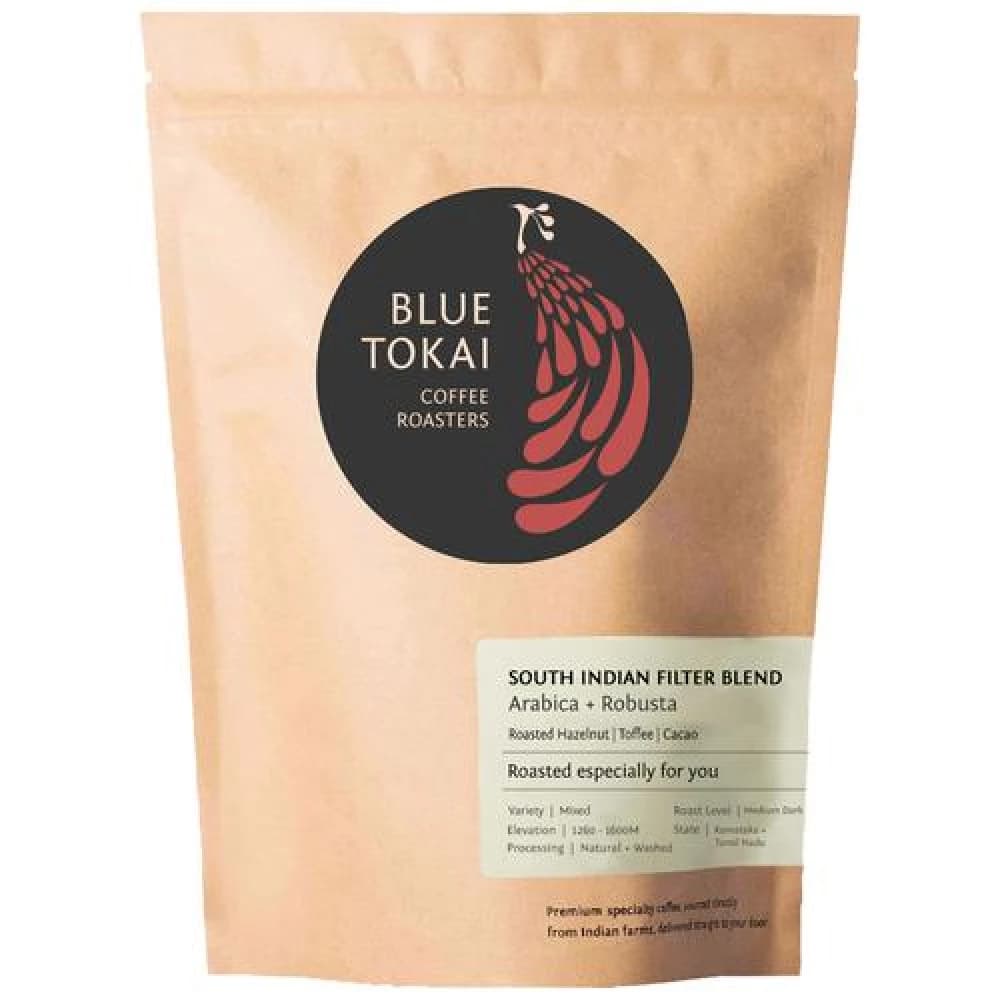
Indian tea is not just tea. Assam CTC brewed strong with full-fat milk and crushed ginger is a completely different drink from anything the West calls tea. Darjeeling first flush light, floral, muscatel is genuinely one of the finest teas produced anywhere in the world, and most people outside India still don't know it exists. South Indian filter coffee brewed through a traditional brass filter and mixed with hot milk is as complex as any specialty espresso, without any of the pretension.
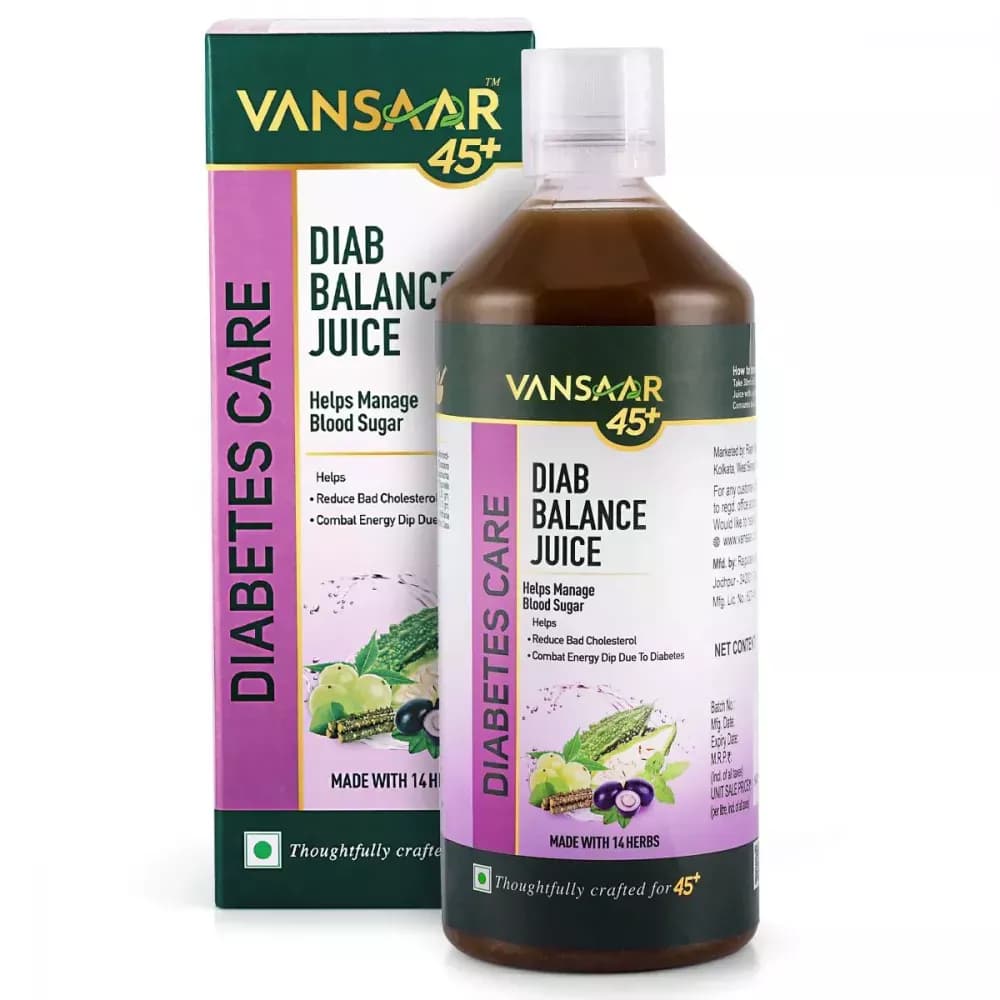
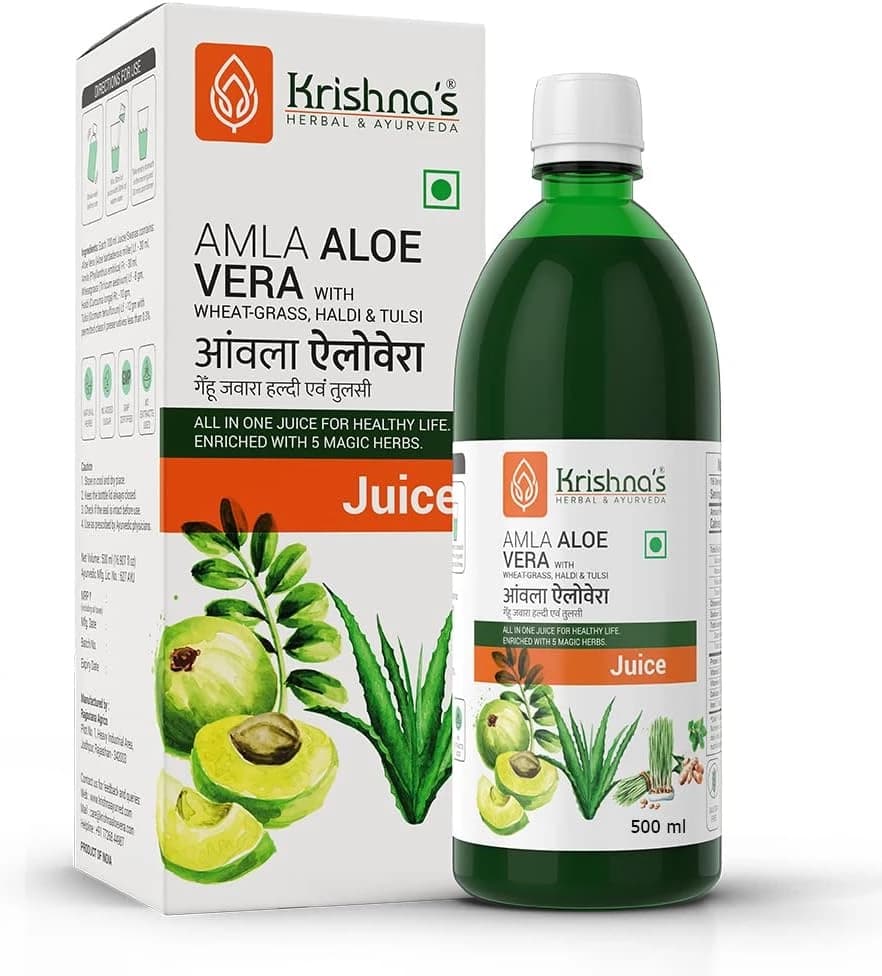
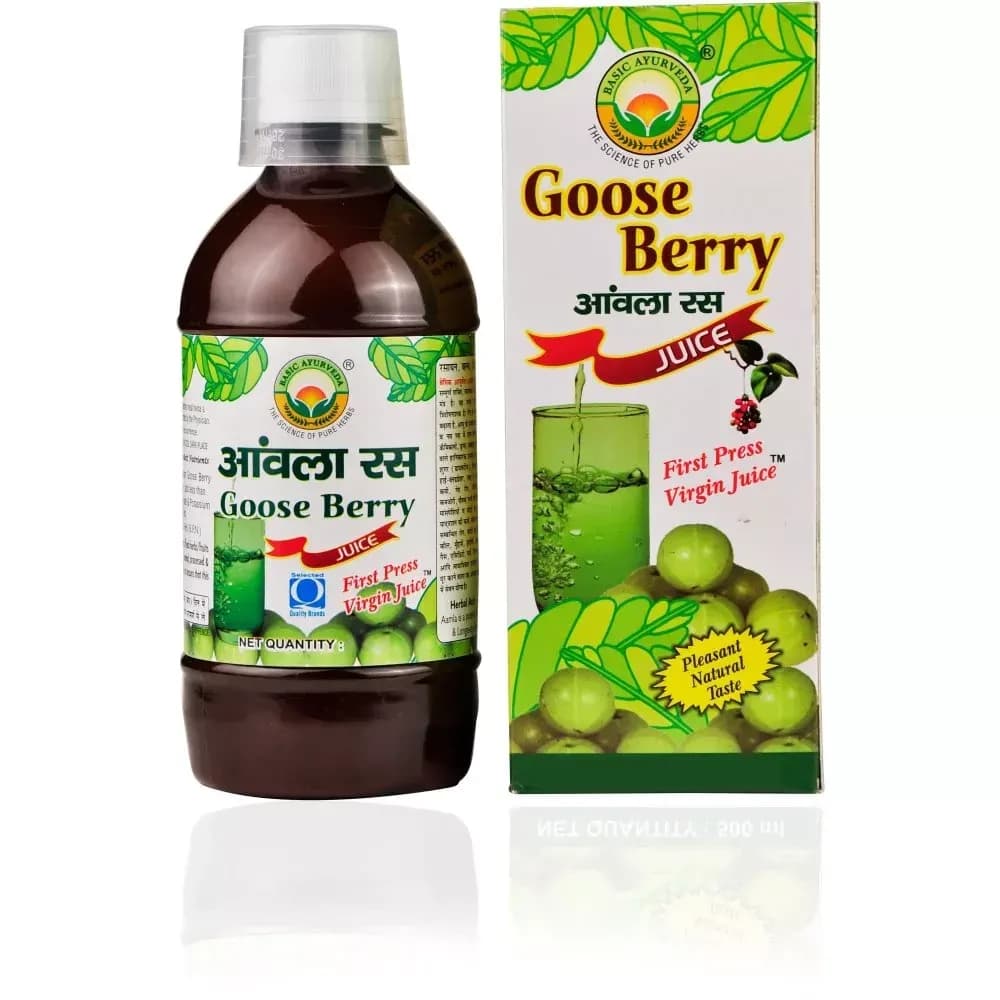
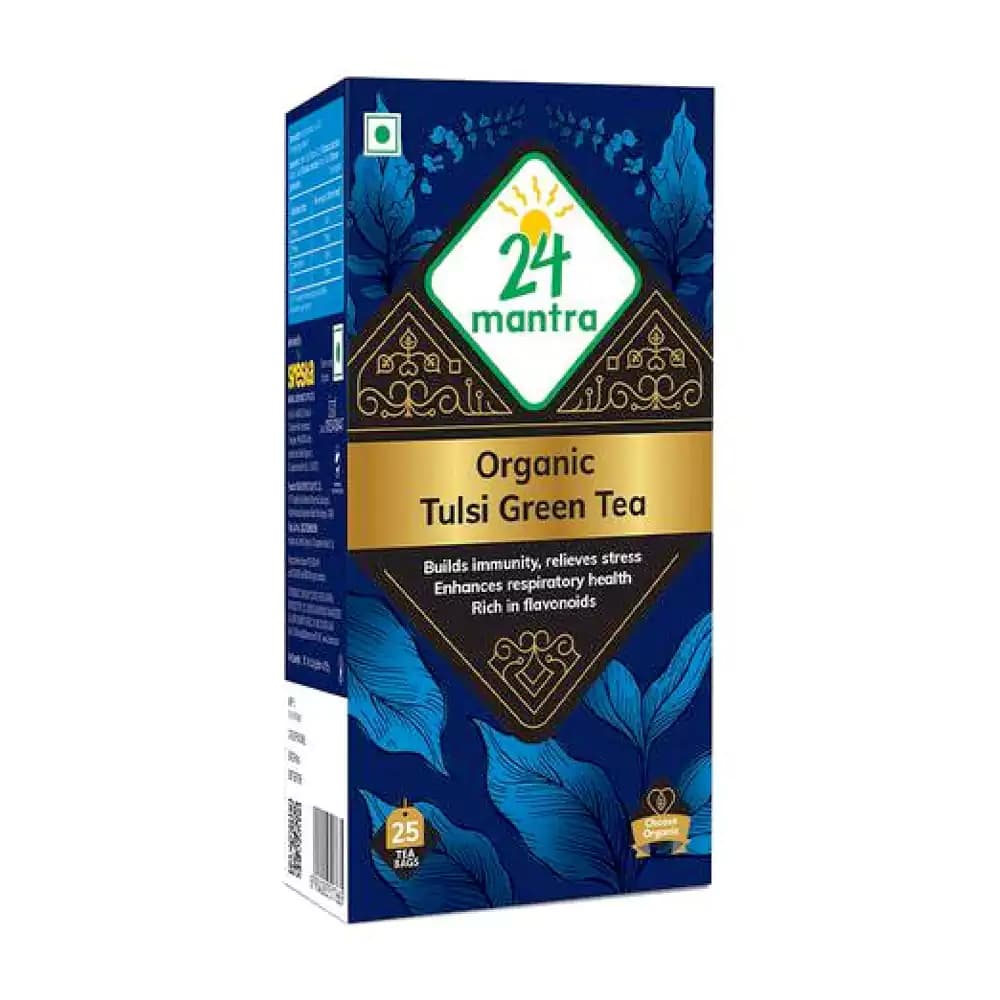
Beyond tea and coffee, Indian beverages carry real nutritional heritage. Tulsi green tea supports immunity and respiratory health. Organic India has been making this for years, long before adaptogens became a trend in the West. Amla juice is one of the highest natural sources of Vitamin C available.
Noni juice, wheatgrass, and aloe vera-based drinks from Indian Ayurvedic brands like Kapiva and Patanjali are built on centuries of traditional medicine, not marketing. Horlicks and Complan built their reputation on genuine nutritional support for growing children. These aren't wellness fads. This is how Indian households have been drinking for generations.
Storage tip: Loose leaf teas stay freshest in an airtight tin away from light and moisture. Instant coffee and malted drink powders should be sealed tightly after every use. Juices and concentrates, once opened, should be refrigerated and used within 5 to 7 days.